



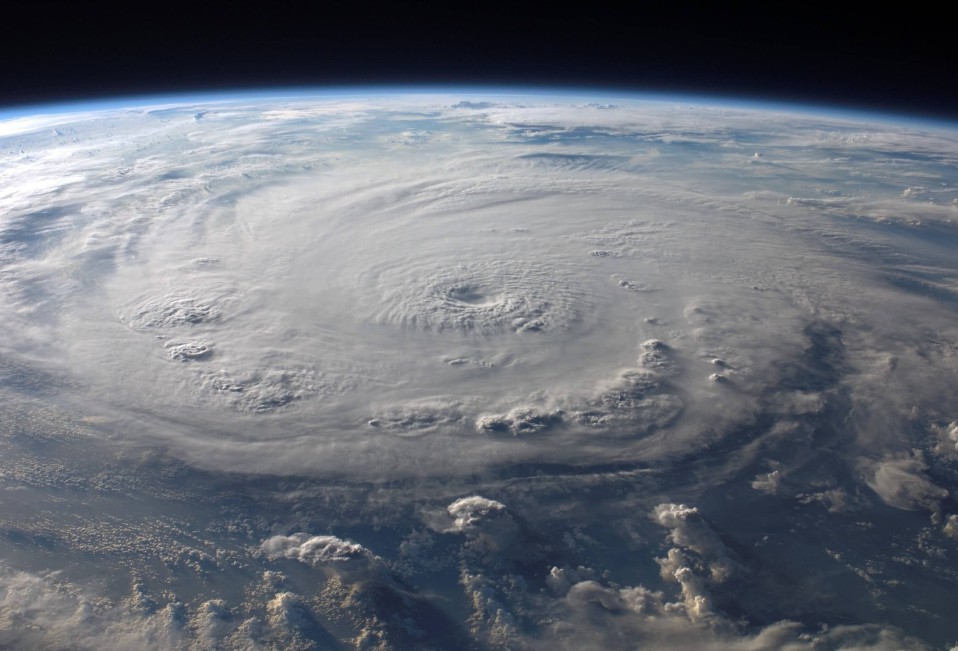
Extreme weather events are becoming the “new normal,” and global warming is widely recognised as the driving force. Decades of research from climate scientists have shown that rising global temperatures result in more frequent and more intense extreme weather events. From consistent rain records of 50 consecutive days seen in parts of the UK this year, to deadly avalanches in California, the signals are increasingly difficult to ignore. Communities across continents are being tested in ways that would once have been considered rare or unprecedented. The question is no longer whether change is happening, but whether the world is ready to face being pushed to the limit — and whether we will be prepared for what comes next.
The growing intensity of storms, floods, wildfires, and heatwaves is placing mounting pressure on infrastructure, healthcare systems, food supply chains, and insurance markets. Urban drainage systems struggle under prolonged rainfall, while mountain regions face unstable snowpacks and shifting seasonal patterns. For businesses, these events translate into operational disruption and financial risk; for governments, they demand urgent adaptation planning alongside emissions reduction strategies.
Building resilience is now as critical as mitigation. Investment in climate-adaptive infrastructure, early warning systems, and community preparedness will determine how effectively societies respond to accelerating change. The evidence is clear, and the trajectory is concerning. What remains uncertain is how quickly policy, industry, and communities can move from acknowledgement to decisive action.
4 ways rising temperatures are affecting extreme weather patterns.
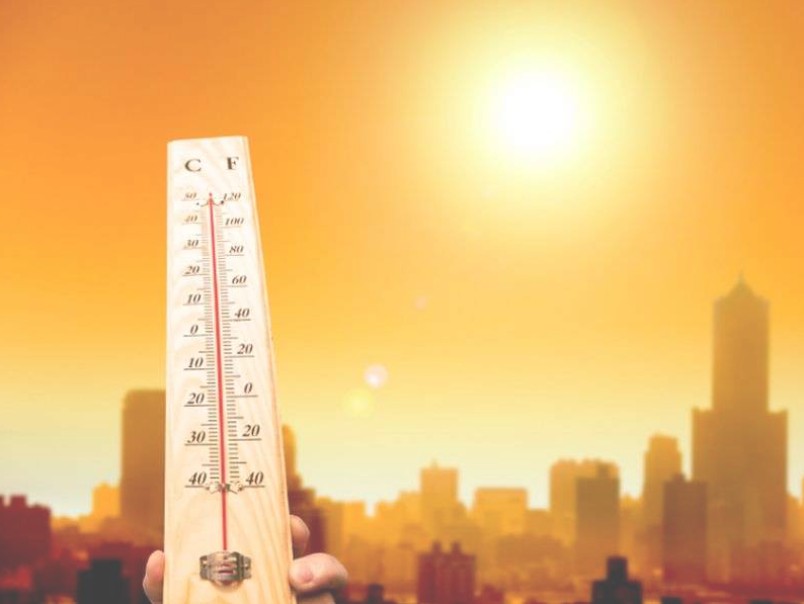
- Higher average temperatures and increased frequency of heatwaves
Just a slight increase in temperature can create a massive difference to heat extremes. Temperatures above 40C are now likely to be seen 20 times more frequently than in the 1960s, according to the Met Office in June 2025. - Extreme precipitation and flooding
Every 1C of warming to the atmosphere allows it to hold up to 7% more moisture. More moisture in the atmosphere leads to higher chances of heavier rainfall. As a result of anthropogenic activities leading to global warming, heavy rainfall events have intensified over the world.
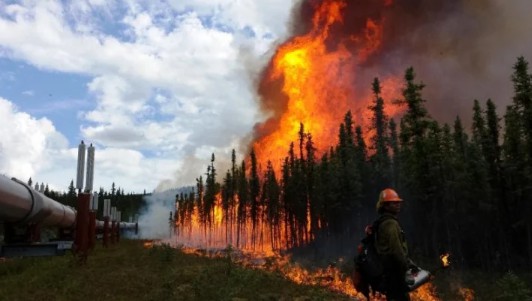
- Droughts and Wildfires
Linking individual droughts to climate change impacts is challenging, as there are multiple factors which impact water availability.
However, heatwaves resulting from climate change can worsen dry conditions which occur, enhancing soil evaporation. Enhanced evaporation dries out soil and vegetation faster worsening droughts and fueling more severe, widespread wildfires. - Stronger Storms
Ocean acidification has provided more energy to fuel tropical cyclones, hurricanes and typhoons, making them more powerful and destructive.
The consequences of extreme weather carry significant costs for economies and societies worldwide. Preparing to face these escalating challenges is not solely an environmental responsibility; it is equally an economic and social imperative. Disruption to infrastructure, supply chains, public services, and livelihoods underscores how deeply climate-related events are intertwined with long-term stability and prosperity.
In addition to reducing greenhouse gas emissions, adaptation and resilience strategies have become essential for countries seeking to withstand the forces of these extreme conditions.
Strengthening infrastructure, improving emergency planning, and embedding climate risk into policy decisions are now critical priorities. Increased public awareness and local action can further support communities in preparing for extreme events, helping to significantly reduce harm and accelerate recovery when disasters occur.
The next decade will test society’s ability to shift from reactive recovery to proactive resilience, as extreme weather events are likely to persist due to existing global warming. Our “new normal” demands a new mindset — one focused on anticipation, preparedness, and long-term thinking. The question remains: how ready will we truly be for what lies ahead?