



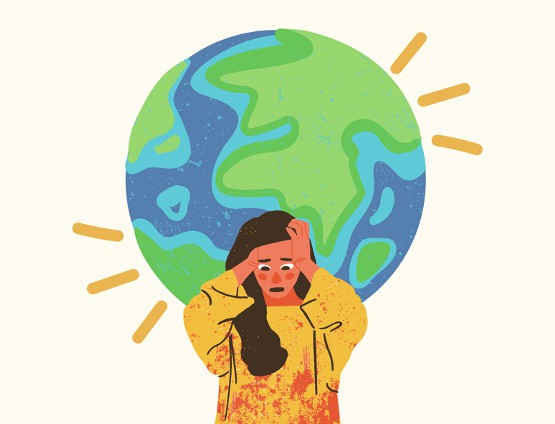
From longer, intensified heatwaves to worsened extreme rainfall patterns, our planet is facing a continuation of increasing climate disasters, so why is public engagement declining? Is our society beginning to grow tired of this on-going issue and why is it still important that businesses globally stay resilient in their climate conscious targets? This blog will address the recent decline in public engagement regarding the climate crisis and why businesses need to prioritise reducing their environmental impact.
What is climate fatigue?
The Sustainability-Directory defines climate fatigue as ‘emotional exhaustion from climate concerns, reducing motivation for action and hindering sustainability efforts.’ The term describes people’s response to constant negative news online and in the media, leading them to feeling
helpless and losing the self-motivation to take action. Climate fatigue and the public’s sense of powerlessness is on the rise, but even as the public’s attention shifts, businesses cannot stop their engagement in climate action.
Why Climate Fatigue Is Growing
Distance
Climate change is viewed by many people as a distant issue which can cause difficulty in maintaining concern and emotional engagement. Threats that appear to be removed from the concerns of a person’s current surroundings, it is common that they are not perceived to have the same importance when compared to immediate concerns.
Feeling Insignificant
Younger adults have been reported to feel as though their own actions taken to address climate concerns were not significant enough to make a real difference. This can leave people to disengage from the issue.
Information Overload
We are constantly shown the negative effects of climate change through the media and not given time to properly digest and respond to the sheer amount of negativity filling our feed. This can lead to people tuning out the information given to them.
Inconsistency
Media coverage around climate change has fluctuated since 2020. More coverage around the issue is seen around major events related to climate change, however they quickly decline after the event. Inconsistencies in media coverage fails to maintain the attention of the public and when sudden coverage around climate issues occurs, they can be seen by the public as less important than news around topics that they see daily (such as politics, economics and events locally).
Solutions?
When we do hear about climate change events in the news it is often lacking solutions to current issues or success stories. Those reading climate news can feel helpless in this ‘doomist downward spiral’ and triggering some audience members to disregard its importance.
There are many other factors which have influenced the increase in climate fatigue globally, but this fatigue does not mean that the public have stopped caring about the cause altogether, only that they are overwhelmed by news and information related to climate change.
Why Businesses Still Need to Act
Sustainability is no longer just about marketing and branding for companies now, it is also linked to their competitiveness and resilience. There are more and more recognised risks related to climate change for many businesses. From extreme weather patterns to interrupted supply chains and impact on human health, companies must continue to address these risks accordingly.
Some businesses have profitised from taking climate action by carrying out more
climate-friendly investments. Climate change is shifting the global economy, individuals and organisations have the opportunity to take action now to create value and lead a more sustainable future.
What Effective Climate Leadership Looks Like
Recognition of a Business’ Contribution to Society
By understanding how your business influences society and social progress, your organisation can go further than just meeting sustainability regulations and provide real positive change noticed outside of the organisation.
Collaboration
In order to achieve society-wide action, partnerships across different sectors and organisations can create collaborative efforts which enhance the influence and abilities of climate action and leadership.
Empowerment
In order to achieve long-term climate goals, an organisation or community must involve everyone in the process. Rather than controlling and directing, climate leaders must empower others to become leaders and allow for new innovation to pave the way for a more sustainable future.
Public attention may rise and fall, but climate-related risks and responsibilities remain. Businesses have an opportunity to lead with consistency, credibility, and practical action. Climate fatigue may slow public conversation, but it should not slow meaningful progress.