



Harnessing wave energy is one of the ways that we can gather sustainable power from our oceans. However we may have discovered a way to use the energy from tides, which is a more constant source of energy.
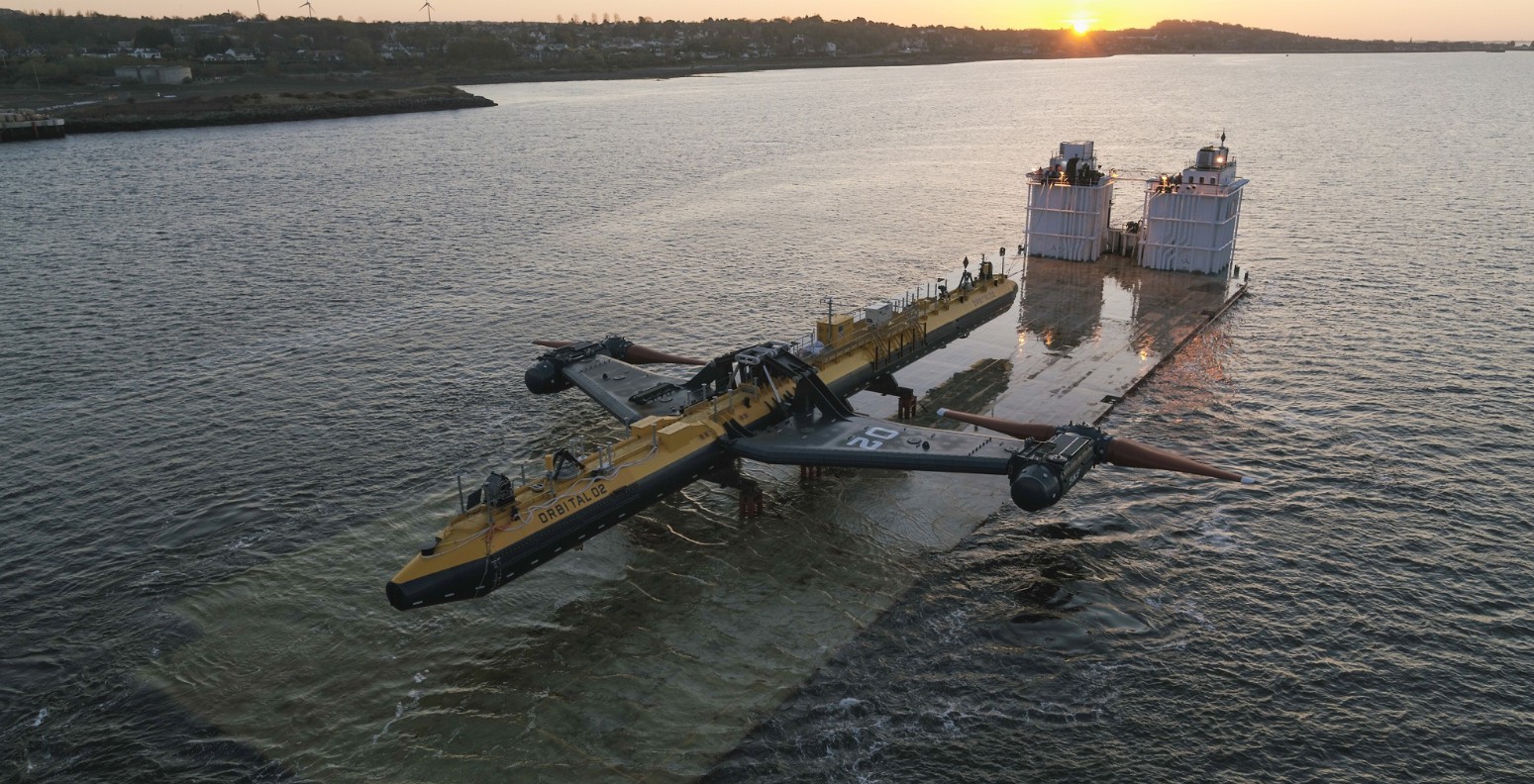
Scotland is paving the way for a new wave of tidal technologies. The Orbital O2 is a floating tidal turbine, 74-metres-long with spinning rotors, pushed by water flow, that drives a generator to create electricity. The European Marine Energy Center (EMEC) is one of the global leaders developing and testing both wave and tidal power technologies, testing their devices at the Billia Croo Site which is located in the Orkney islands, off the Northern edge of Scotland.
Previous tidal technologies have used ‘fixed’ turbines, which are connected on the seabed. Below are some of the differences between floating and fixed tidal turbines.
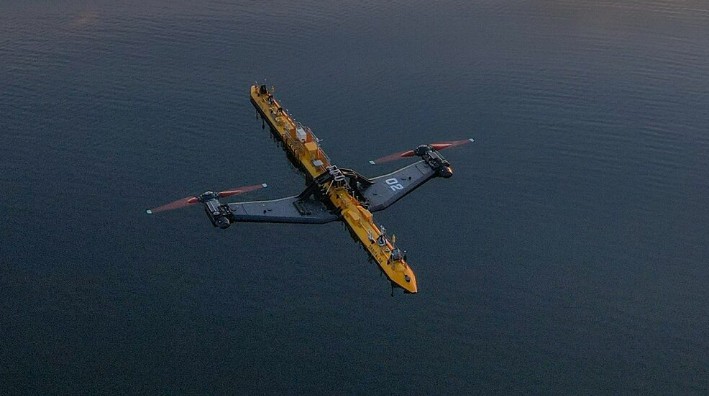
- Floating turbines
- Can be in deeper, faster-flowing water
- Repairs can be done on the surface with small boats
- Faster currents near the surface, can harness higher levels of energy
- Can easily be relocated
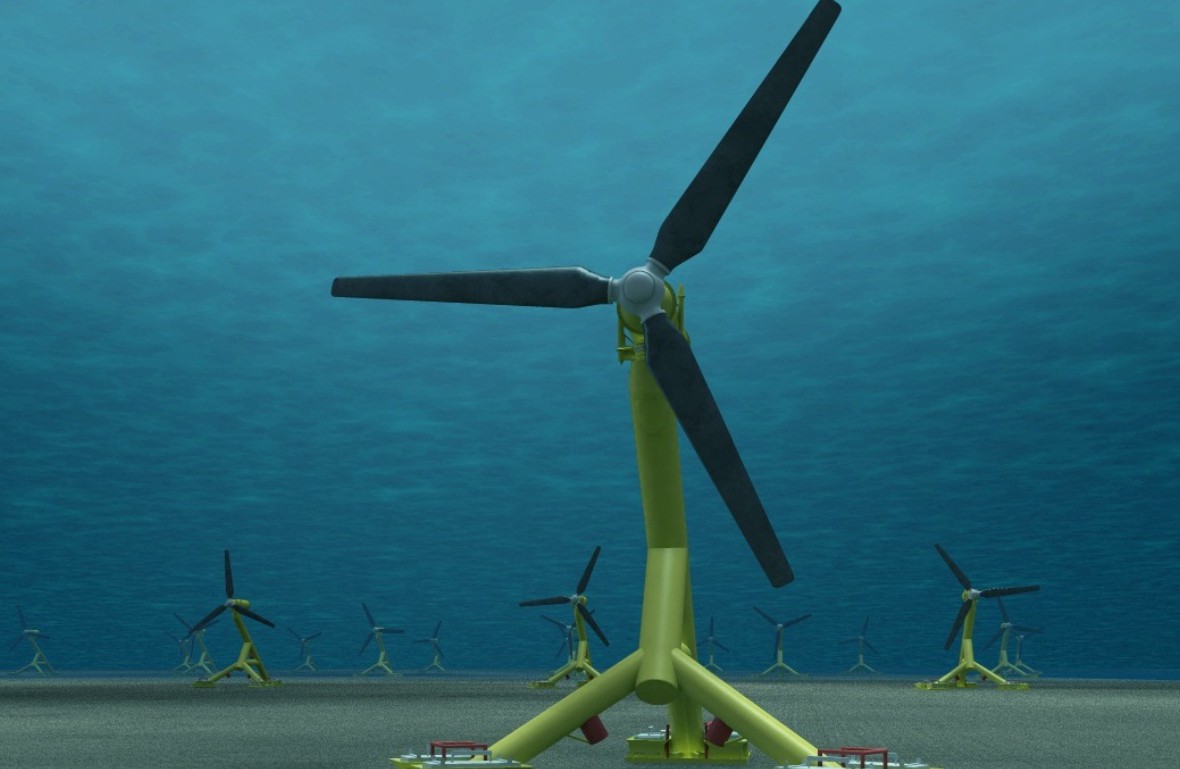
- Fixed turbines
- Must stay in relatively shallow water
- Divers and large, expensive cranes are needed to maintain
- The currents are slower near the seabeds
Floating tidal turbines are emerging as one of the most compelling innovations in marine renewable energy. Unlike many other renewable technologies, tidal systems benefit from extraordinary predictability. Because tidal movements are governed by the gravitational interaction between the Earth, moon, and sun, their patterns can be forecast with remarkable precision decades—even centuries—into the future. This level of certainty provides grid operators and investors with a stability that few other energy sources can match.
Another significant advantage is ease of maintenance. Floating tidal turbines are typically anchored to the seabed but remain accessible at the surface. This design allows maintenance teams to tow units to shore or service them without the need for complex underwater interventions, reducing downtime and operational risk. In addition, their visual footprint is minimal. With most of the structure submerged, floating turbines preserve coastal views and avoid the skyline impact often associated with large offshore wind installations.
Energy resilience is particularly valuable for remote and island communities. In places such as the Scottish islands or other coastal regions, reliance on imported diesel for electricity generation remains costly and carbon-intensive. Floating tidal turbines offer a cleaner, locally sourced alternative that can enhance energy security while lowering long-term fuel expenses.
There is also growing potential for sector coupling. Surplus tidal energy can be directed toward green hydrogen production, creating zero-carbon fuel for local ferries and supporting the decarbonisation of energy-intensive industries such as whisky distilleries. This integrated approach strengthens regional economies while accelerating climate goals.
However, challenges remain. High upfront capital costs can be a barrier to deployment, particularly during early commercial stages. Marine environments are harsh; continuous exposure to saltwater increases the risk of corrosion and demands rigorous asset management. Furthermore, many ideal tidal sites are geographically remote, and existing national grid infrastructure often lacks the capacity to export large volumes of generated power without significant upgrades.
New generations of floating tidal turbines represent an exciting frontier in renewable energy. As technology advances, economies of scale improve, and grid infrastructure modernises, these systems could play a crucial role in delivering predictable, low-visibility, and highly resilient clean power. With continued innovation and strategic investment, floating tidal turbines have the potential to become a cornerstone of coastal decarbonisation strategies worldwide.