



Beyond Hype and Panic
Artificial intelligence is often framed in extremes. It is either hailed as a breakthrough technology that could help solve the climate crisis, or condemned as an energy-hungry system accelerating it. Both claims contain truth yet obscure a more complex reality regarding the environmental impact of generative AI.
AI is neither a climate saviour nor an environmental villain by default. Its impact depends on how it is designed, deployed, governed, and scaled. At a moment when AI use is expanding rapidly and largely invisibly, understanding this tension has never been more important.
The Rising Environmental Cost of AI
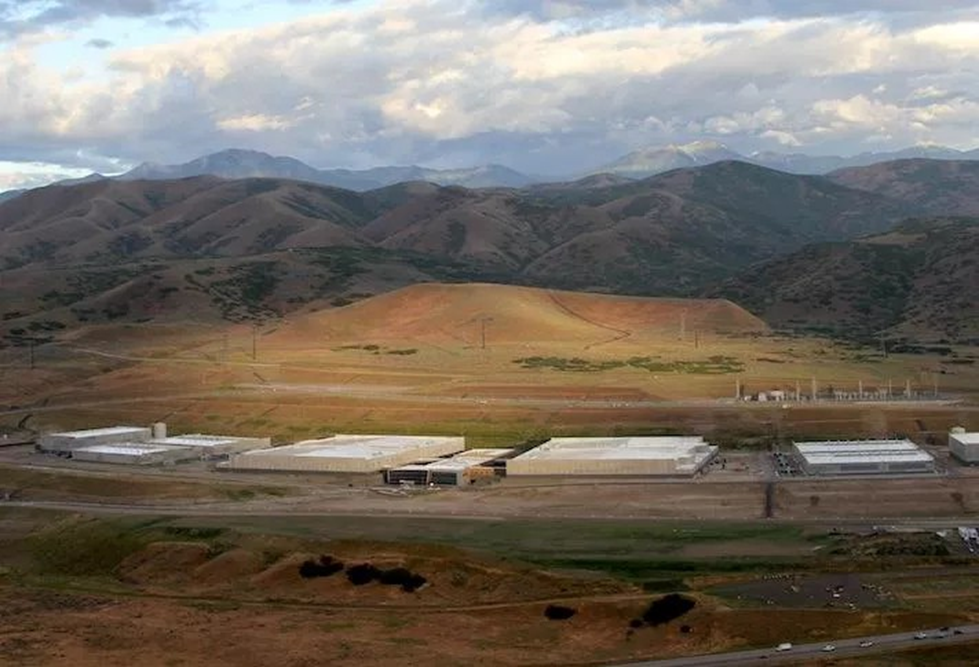
Behind every AI-generated image, search query, or chatbot response sits a vast physical infrastructure. Generative AI systems rely on data centres that consume large amounts of electricity to train and deploy models, store data, and keep systems running around the clock.
Research from MIT suggests that the energy demands of generative AI are set to increase dramatically in the coming years. An April 2025 report from the International Energy Agency estimates that global electricity demand from data centres, which house the computing infrastructure for AI, will more than double by 2030, reaching levels higher than the total electricity consumption of Japan.
Where this electricity comes from matters. Research published in the August of 2025 forecasts that around 60% of the increase in electricity demand from data centres will be met by fossil fuels, resulting in an estimated 220 million tonnes of additional carbon emissions. These figures are staggering, not only in scale but in speed. What makes AI’s climate footprint particularly concerning is how quickly it is growing and how little visibility it has in everyday use.
Why is AI’s Impact Easy to Miss?
AI often feels immaterial. It functions behind screens, embedded in everyday tools. Unlike oil pipelines or power plants, its environmental costs are rarely visible to users.
Yet AI systems rely on vast amounts of energy, water-intensive cooling systems, electronic hardware with short lifespans, critical minerals and rare earth elements that are often mined under environmentally destructive and ethically questionable conditions. They also generate significant electronic waste, adding pressure to already strained global waste systems.
This invisibility mirrors a broader challenge in climate communication: when impacts are diffuse, indirect, or embedded in complex systems, they are easier to overlook and easier to excuse.
What is Being Done to Reduce AI’s Footprint
Acknowledging AI’s environmental costs does not mean ignoring the work being done to address them. Scientists and engineers are actively developing ways to reduce AI’s carbon footprint, particularly through efficiency improvements.
Some promising approaches include optimising algorithms so they require less computational power. Stopping training processes early, as the final 2–3% of accuracy often consumes a disproportionate amount of energy and is not always necessary. Surprisingly, in many cases, models with around 70% accuracy are sufficient. Rethinking data centre design, including improving cooling systems, reducing unnecessary lighting, and lowering baseline energy use. ‘
These measures matter. They can significantly reduce emissions per task and slow the growth of AI’s footprint. However, efficiency gains alone may not be enough if overall demand continues to rise unchecked.
AI as a Climate Tool
At the same time, dismissing AI as purely harmful would be a mistake. AI has genuine potential to support climate action, particularly in monitoring, analysis, and prediction. The United Nations Environment Programme identified AI as a key topic at the 2024 UN Environment Assembly, reflecting growing interest in its environmental applications. AI is already being used to detect illegal and destructive sand dredging, monitor methane emissions, analyse satellite data for deforestation and land-use change, and identify patterns and anomalies in complex environmental datasets.
AI excels at detecting subtle patterns, processing enormous volumes of data, and generating predictive insights. In a rapidly changing climate system, these capabilities could prove invaluable.
The challenge is that AI’s potential benefits do not automatically outweigh its costs. Without careful governance, the same systems designed to monitor environmental damage could contribute to it.
The Governance Gap
One of the most pressing issues is the lack of binding national and international policies governing AI’s environmental impact. While many technology companies have made voluntary sustainability commitments, these are uneven, difficult to verify, and often secondary to rapid deployment and market competition.
AI development is moving faster than regulatory frameworks can keep up. Energy use, emissions, water consumption, and resource extraction are frequently treated as externalities rather than core design constraints. This governance gap raises a fundamental question: who is responsible for ensuring that AI’s growth aligns with climate goals?
Conclusion
AI sits at a crossroads. It may become a powerful tool for understanding and responding to environmental change, or it may quietly deepen the very crisis it claims to help solve. Most likely, it will do both.
The task now is not to celebrate or demonise AI, but to make its climate impacts visible, to govern its growth responsibly, and to ensure that technological progress does not come at the expense of planetary stability.