



For some, climate change can feel rather distant: a problem measured in parts per million, international agreements and projected temperature rises. But what if we looked at it through a more personal lens? Climate change is not just about melting glaciers or rising seas, but about the small pleasures that brighten out days? From morning coffee to a glass of wine with dinner, some of our favourite things are already feeling the effects of a warming world.
The production of coffee and chocolate are inextricably tied up in the climate story. The mass production of both crops can result in significant environmental degradation through deforestation, habitat loss, and monocropping. However, both are also incredibly vulnerable to climatic shifts such as rising temperatures, unpredictable rainfall patterns, and extreme weather events. Crucially, these shifts leave smallholder farmers on the frontlines of climate change. This article explores a few common food products that could be found in most people’s pantries that are likely to become increasingly difficult to produce in the context of a changing climate.
Nuts
Nuts are often celebrated as a healthy and sustainable source of protein, yet popular nuts such as almonds, cashews and macadamias are vulnerable to climate change. Almonds, for example, are a particularly water-intensive crop, with estimates suggesting that producing a single almond can
require around 1.1 gallons (more than four litres) of water. As droughts become more frequent and prolonged in major growing regions such as California, securing sufficient water for production is becoming increasingly challenging. Macadamias, for instance, generally require between 1,000 and 2,000 mm of well-distributed annual rainfall, while prolonged drought and extreme heat can significantly reduce productivity and nut quality. Climate change is expected to increase the frequency of these stresses, placing additional pressure on growers and water resources. Millions of smallholder farmers in countries such as Côte d’Ivoire, India, Vietnam and Kenya rely on nut production for income and employment. As rainfall becomes more unpredictable and temperatures continue to rise, farmers face growing risks of crop losses, lower yields and declining incomes.
Bananas
While one of the most popular and widely consumed fruits in the world, bananas are increasingly at risk from the impacts of climate change. Rising temperatures, changing rainfall patterns and more frequent extreme weather events can affect growing conditions, reduce yields and increase the spread of pests and diseases. Particularly concerning is the spread of fungal diseases, which thrive under warmer and more humid conditions and can devastate entire plantations. This is significant not only because bananas are a staple food for more than 400 million people worldwide, but also because they are a vital source of export earnings for many low and middle-income countries. Ecuador, for example, is the world’s largest exporter of bananas, exporting more than US$4 billion worth in 2024, with bananas ranking as the country’s third most exported product. As climate pressures intensify, the impacts will be felt not only by consumers wondering whether their weekly food shop has become more expensive, but by farming communities whose livelihoods depend on this remarkably familiar fruit.
Vanilla
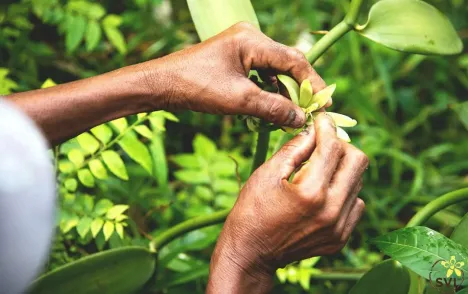
This everyday flavoring is one of the world’s most climate sensitive crops. Around 75-80% of the world’s vanilla is grown in Madagascar, where tens of thousands of smallholder farmers depend on the crop for their livelihoods. Vanilla requires highly specific growing conditions in terms of temperature, rainfall and humidity. Therefore, stronger cyclones, shifting rainfall patterns and rising temperatures are creating increasing challenges for farmers. Because vanilla is one of the world’s most labour-intensive crops, with every flower needing to be hand-pollinated, poor harvests can have dire economic consequences for agricultural households. For Madagascar, where vanilla exports generated around US$583 million in 2022, climate impacts threaten not only the availability of one of the world’s most popular flavours but also the incomes of rural communities whose livelihoods depend on it.
Wine
For many people, a glass of wine is closely associated with some of the world’s most iconic agricultural landscapes, from the rolling hills of Tuscany to the vineyards of South Africa’s Western Cape. Yet wine grapes are sensitive to changes in climate. Vineyards are often located in regions with relatively poor soils and dry Mediterranean-type climates, where vines are deliberately grown under mild stress to concentrate flavour and produce high-quality wines. These finely balanced growing conditions depend on predictable seasons, moderate temperatures and carefully timed rainfall. Climate change is already disrupting this balance. Rising temperatures can cause grapes to ripen too quickly, altering sugar levels, acidity and flavour profiles, while more frequent heatwaves and wildfires threaten both yields and quality. In some traditional wine-growing regions, water scarcity is becoming an increasingly serious concern, forcing growers to invest in irrigation or consider switching to more heat-tolerant grape varieties. For those employed across the global wine industry, and for communities whose cultural identity is closely tied to winemaking cultures, climate change threatens not just the drink but entire landscapes, livelihoods and ways of life
To Conclude:
None of these products are immune from criticism. The way many are produced can contribute to deforestation, biodiversity loss and pressure on natural resources. YBut as climate change intensifies, the people who grow them are often among the first to feel its effects. Behind every handful of nuts, banana, vanilla pod, or glass of wine are livelihoods that depend on stable seasons and predictable weather, conditions that are becoming increasingly difficult to rely on. Overall, the relationship between agriculture and the environment is not one-sided: the crops we rely on can both contribute to environmental challenges and become victims of them. Ensuring our favourite foods and drinks remain available will mean supporting more resilient and sustainable agricultural systems in the future.