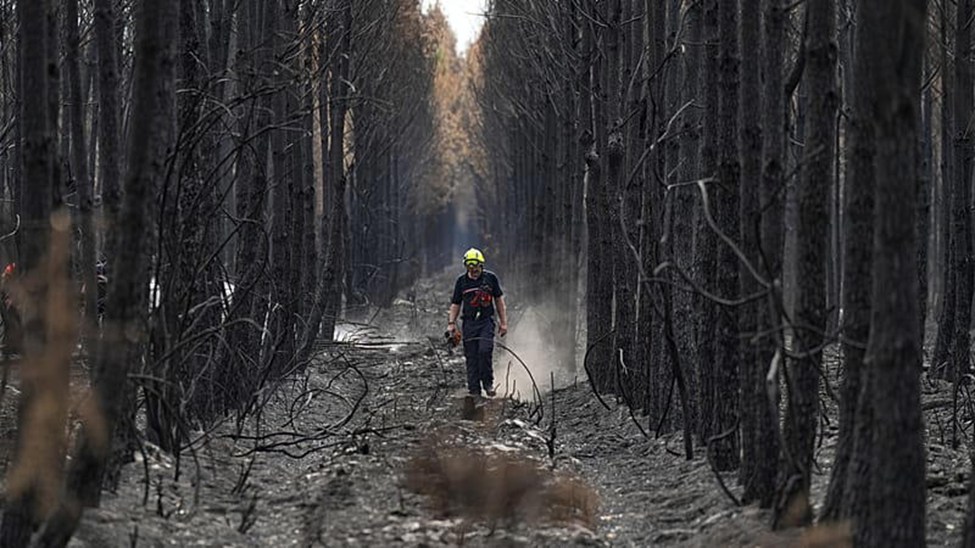



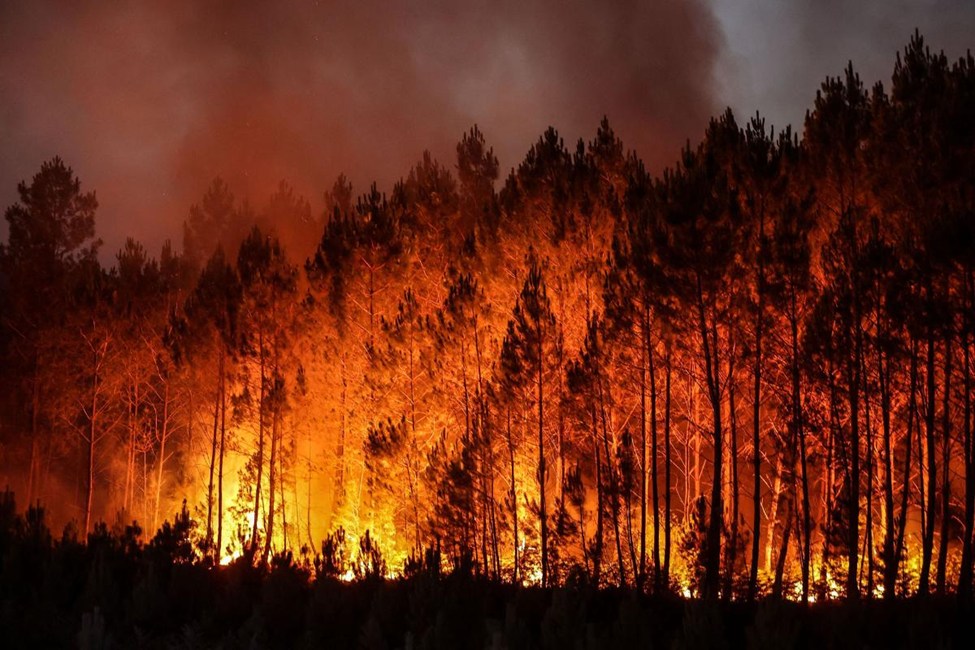
This summer, wildfires have once again dominated headlines across Europe and beyond. From widespread evacuations and communities under threat to smoke-filled skies and vast areas of land consumed by fire, the scale and intensity of recent events have brought the growing risk into sharp focus. What was once viewed largely as a seasonal hazard is becoming an increasingly significant feature of Europe’s changing climate.
Rising temperatures, prolonged periods of drought and increasingly dry landscapes are creating conditions in which wildfires can start more easily, spread more rapidly and become harder to control. The consequences extend far beyond the areas directly affected, disrupting communities, damaging infrastructure, threatening biodiversity and placing pressure on economies and emergency services.
Wildfires are no longer isolated environmental disasters. They are becoming a growing challenge for governments, businesses, industries and communities across Europe. As the climate continues to change, the question is no longer simply how we respond when a fire starts, but whether we are prepared for a future in which these events become increasingly frequent and severe.
Are we prepared to live with fire?
Why Are Wildfires Becoming More Common?
Rising global temperatures and climate change are the overarching factors, but several interconnected changes are creating conditions in which wildfires can start more easily, spread faster and become more difficult to control. Climate change does not directly cause every wildfire—human activity and natural events can both trigger fires—but it is increasingly influencing the conditions in which they develop.
1. Rising Average Temperatures
Higher average temperatures are drying out vegetation, soils and landscapes, leaving more combustible material available to burn. As temperatures continue to rise, particularly during summer months, the window of conditions suitable for wildfire ignition and spread can become longer.
2. Longer and More Intense Heatwaves
Heatwaves are becoming more frequent and, in many regions, more intense and prolonged. Extended periods of extreme heat rapidly remove moisture from vegetation and soil, creating dry conditions that allow fires to ignite and spread more rapidly.
3. Prolonged Drought Conditions
Drought reduces the amount of water available within forests, grasslands and agricultural areas, turning vegetation into highly flammable fuel. When drought persists alongside high temperatures, landscapes can remain dangerously dry for weeks or months, increasing the likelihood and potential severity of wildfires.
4. Stronger Winds
Wind can significantly accelerate the spread of an existing wildfire by supplying oxygen to flames and carrying burning embers into new areas. Strong and unpredictable winds can therefore make fires much more difficult to contain and increase the risk of rapid expansion.
5. Changes in Land Management and Vegetation
How land is managed can influence the amount and type of vegetation available to burn, with abandoned agricultural land, dense vegetation and poorly managed forests potentially increasing fuel loads. Changes in land use, alongside hotter and drier conditions, can create landscapes where fires spread more easily and become harder to control.
Wildfires are not confined to the forests where they begin; their effects can spread across communities, economies and entire industries. Smoke can reduce air quality over large areas, while evacuations, road closures and damage to homes and infrastructure can disrupt everyday life and business activity. Tourism and hospitality are particularly exposed: this August, wildfires near the Croatian coastal town of Omiš forced around 1,000 residents and tourists to evacuate, injured 36 people and led to the closure of a key coastal highway during peak tourist season. In France, a wildfire in the Landes region has burned around 1,100 hectares and forced 525 residents to evacuate, following much larger fires near Arcachon Bay that displaced over 100,000 people. For businesses, these events can mean lost revenue, disrupted supply chains, damaged property, increased insurance costs and employees being unable to work or reach their workplaces. The financial consequences can also continue long after the flames are extinguished: recent analysis found that Spain’s 2025 wildfires caused close to €5 billion in damage, while well under €1 billion was insured. As wildfire seasons become more disruptive, preparing for them is therefore not simply an environmental responsibility—it is increasingly a matter of protecting livelihoods, business continuity and economic resilience.
6. Preparing for a Future of Greater Fire Risk
As wildfire risk increases, adaptation must become as important as mitigation. Reducing greenhouse gas emissions remains essential to limiting long-term climate change, but communities and businesses must also prepare for the impacts that are already occurring. Preparing for greater fire risk requires action before a wildfire begins, rather than relying solely on emergency responses once one is underway.
Better forest and land management can help reduce the amount of combustible material available to fuel fires. This can include maintaining forests, managing vegetation, creating firebreaks and using controlled or prescribed burning where appropriate. Effective land management can reduce the intensity with which fires spread and make them easier to contain.
Early warning and monitoring systems are also becoming increasingly important. Satellite technology, drones, sensors and weather data can help identify fires at an early stage, allowing emergency services and communities more time to respond and evacuate when necessary.
Infrastructure and urban areas must also be designed with wildfire risk in mind. Fire-resistant buildings, managed vegetation around properties, resilient electricity networks and climate-conscious urban planning can all reduce the potential damage when fires reach populated areas.
However, resilience cannot be achieved by individual communities alone. Cross-border cooperation across Europe can allow countries to share firefighting resources, technology, expertise and emergency response capacity when particularly severe fires overwhelm local services.
Ultimately, preparing for wildfire risk is an investment in economic and social resilience. While prevention and adaptation require upfront investment, they can significantly reduce the human, environmental and financial costs associated with disaster recovery. As wildfire seasons become increasingly unpredictable, proactive planning should become a fundamental part of how Europe prepares for its changing climate.
Europe’s relationship with wildfires is changing. Rising temperatures, prolonged droughts, extreme heat and changing landscapes are creating conditions in which fires can become more frequent, intense and destructive. Their impacts extend far beyond forests, threatening communities, businesses, infrastructure and livelihoods. While climate change cannot be reversed overnight, the risks can be reduced through stronger land management, early warning systems, resilient infrastructure and coordinated emergency planning. The challenge is no longer simply responding to wildfires when they occur, but preparing for a future where they may become an increasingly familiar part of Europe’s climate.
The question is not whether we can prevent every fire, but whether we are prepared to live with the ones we cannot.