



 As climate change drives rising global temperatures, scientists warn that cities are on the frontline of extreme heat. Urban areas are quickly becoming some of the most uncomfortable, and potentially dangerous places to be in the hottest months.
The reason is something known as the Urban Heat Island effect, a phenomenon where cities become significantly hotter than surrounding rural areas because concrete, asphalt, and buildings absorb and retain heat.
According to the Met Office, urban areas can be up to 10°C warmer than nearby rural locations during certain weather conditions, particularly overnight during heatwaves. At the same time, climate projections suggest the UK could experience summers that are hotter and drier, with extreme heat events becoming more frequent and intense.
Why Cities Heat Up Faster
Dark surfaces like roads and rooftops absorb solar energy throughout the day, while tall buildings reduce airflow and trap warm air between streets. There is also far less vegetation to provide natural cooling. At night, instead of cooling quickly like grass or soil, urban materials slowly release stored heat back into the environment. This is why cities often remain oppressively warm overnight during heatwaves, something that poses a serious health risk, particularly for older adults and vulnerable communities. The World Health Organization estimates that heat-related deaths are increasing globally, with extreme heat now recognised as one of the deadliest impacts of climate change.
Nature as Climate Infrastructure
One of the most effective ways to cool cities is also one of the simplest: introducing more green space. Trees and plants cool urban environments by providing shade that prevents surfaces from overheating and through evapotranspiration, where plants release water vapour that cools the surrounding air. Research shows that areas with high tree cover can be 2–5°C cooler than nearby built-up areas during hot weather.
Green spaces also deliver wider climate benefits by absorbing carbon dioxide, reducing flood risk by soaking up rainfall, improving air quality, supporting pollinators and biodiversity and improving mental and physical wellbeing. Increasingly, urban planners are beginning to view parks, trees, wetlands, and green roofs not simply as aesthetic additions, but as essential climate adaptation tools.
Kigali, Rwanda’s Green City Vision
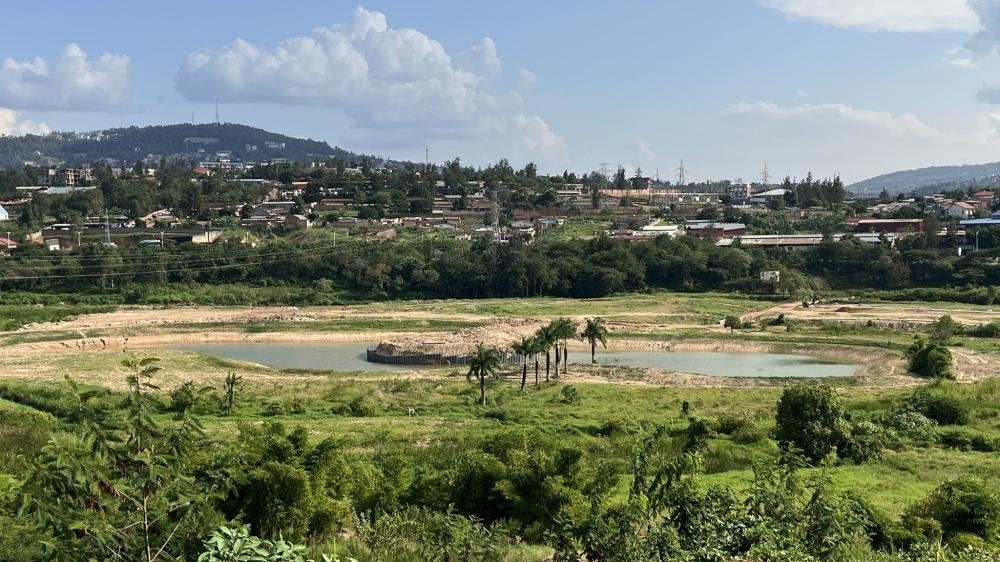
One African city gaining international attention for climate-focused urban planning is Kigali, the capital of Rwanda.As one of Africa’s fastest-growing cities, Kigali faces the challenge of expanding urban development while managing rising temperatures, flooding risks, and environmental pressures linked to climate change.
In response, Rwanda introduced the Green City Kigali initiative, an ambitious plan designed to create a more climate-resilient urban environment through sustainable housing, renewable energy, and increased green infrastructure.
Green Space in the UK’s cities
UK cities are already beginning to adapt. Projects such as Manchester’s “City of Trees” initiative and London’s urban greening programmes aim to increase tree cover and improve climate resilience. Green roofs, rain gardens, and “pocket parks” are also becoming more common in urban developments.
But experts argue progress needs to happen faster. Research has shown that poorer urban neighbourhoods often have less access to green space and can experience higher temperatures during heatwaves. As climate change intensifies, access to shaded parks and cooler streets may increasingly become an issue of climate justice as well as environmental policy. The project prioritises urban forests and tree planting, wetlands restoration, walkable green spaces, sustainable drainage systems, and reduced reliance on car transport
These nature-based solutions are designed not only to reduce emissions, but also to help cool the city and reduce flood risks during extreme rainfall events, which are becoming more common due to climate change. Kigali’s approach reflects a growing recognition across Africa that rapidly expanding cities have an opportunity to build climate resilience into urban development from the start, rather than retrofitting solutions later. It also demonstrates an important shift in thinking: green space is not a luxury for wealthy cities, it is essential infrastructure for adapting to a warming planet.
Designing Cities of the Future
Climate scientists are clear that heatwaves will become more common as the planet warms. The question is no longer whether cities will need to adapt, but how quickly.
The cities best prepared for the future may not be those with the tallest skyscrapers or largest roads, but those designed with nature in mind because in a warming world, green space is no longer just decoration, it is climate protection.